Sri Lankan cuisine is a vibrant tapestry of flavors, shaped by a rich historical and cultural tapestry. This island nation, nestled in the Indian Ocean, has developed a unique food culture that stands out even in the diverse culinary landscape of South Asia. From fiery curries to coconut-rich sambols, each dish in Sri Lanka tells a story of its own, flavored with a blend of local spices and influenced by centuries of trade, colonization, and cultural exchange.
The Foundation of Sri Lankan Cooking
At the heart of Sri Lankan cuisine is rice, served with an array of curries that can feature anything from seafood to chicken, beef, pork, mutton, and an impressive variety of vegetables. Coconut, in various forms, plays a starring role, adding a subtle sweetness and creamy texture that balances the spices beautifully. The curries themselves are typically seasoned with home-ground spices, which may include cumin, coriander, fennel seeds, cinnamon, cardamom, and cloves, creating layers of flavor that are robust yet harmonious.
Signature Dishes
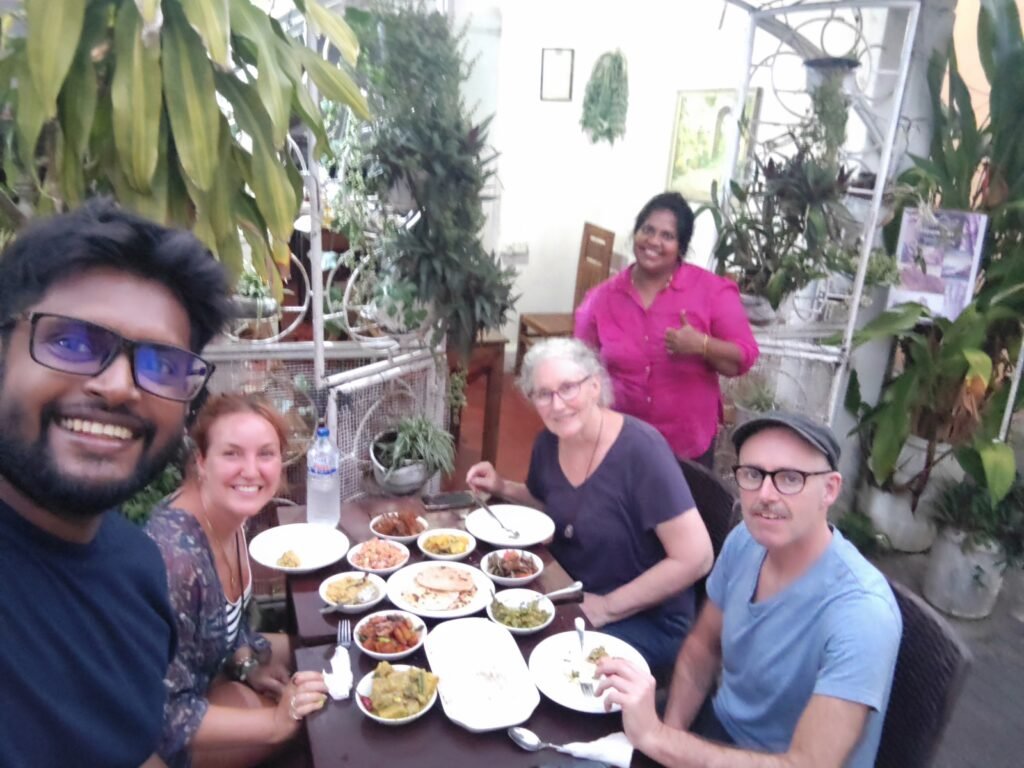
One cannot discuss Sri Lankan food without mentioning its flagship dish, Rice and Curry. This staple meal involves a mound of fluffy rice surrounded by various curries, a dal (lentil stew), and perhaps a few sambols – spicy condiments made with ground coconut, chili peppers, lime juice, and salt. Pol Sambol, made from coconut, is a favorite, as is Katta Sambol, a fiery blend of ground chilies, onions, and salt.
Seafood plays a pivotal role in the coastal diet, with dishes like Fish Ambul Thiyal, a sour fish curry where the fish is cut into cubes, sautéed in a blend of spices including black pepper, cinnamon, turmeric, garlic, and curry leaves, and preserved with a small amount of dried goraka, giving it a distinctive tangy flavor.
Lamprais, a dish of Dutch-Burgher influence, encapsulates the fusion aspect of Sri Lankan cuisine. It consists of rice boiled in stock with a special curry, accompanied by frikkadels (meatballs), all of which is wrapped in a banana leaf and baked in an oven.
Street Food and Snacks
Sri Lankan street food offers an array of quick, tasty treats. Kottu Roti, a type of chopped flatbread mixed with vegetables and optional meats, and spiced with an aromatic curry sauce, is a popular choice among both locals and tourists. Another beloved snack is Samosas, small pastry pockets filled with spices, vegetables, or meats.
Hoppers (Appa), which are bowl-shaped pancakes made from fermented rice flour and coconut milk, are a delightful treat often enjoyed with a spicy sambol or seeni sambal (sweet onion relish). Egg hoppers, with a soft-boiled egg in the center, make for a hearty meal.
Sweets and Desserts
Sri Lankan sweets are primarily sweetmeats like Kavum (small oil cakes), made from rice flour and treacle, and shaped into flowers. Watalappan, a delicious pudding made from coconut milk, eggs, and jaggery, flavored with spices like cardamom and nutmeg, offers a perfect end to a spicy meal.
Beverages
Tea is ubiquitous in Sri Lanka, a major tea-producing country. Sri Lankan black tea is renowned worldwide and is commonly enjoyed both at home and in cafes, often served with milk and sugar. For something more refreshing, try King Coconut water, a popular natural drink that’s both hydrating and nutritious.
Conclusion
Sri Lankan cuisine is delightfully complex and varied, with enough diversity to satisfy any palate. It embodies a culinary tradition where each meal is a celebration of life’s flavors. Whether you’re enjoying a simple meal of rice and curry or indulging in the rich tastes of a Lamprais packet, the food of Sri Lanka promises a memorable experience rich in taste and tradition. For those looking to explore a cuisine that is both unique and bursting with flavor, Sri Lankan cooking offers just the right mix of excitement and satisfaction.